


Did you know? If you cook at home every day, you might have been making a common mistake! Can raw and cooked foods really share the same cutting board? In fact, most people don't realize that this practice can lead to bacterial cross-contamination, affecting food safety. Today, let's talk about the importance of separating cutting boards and how to choose the right one for safer cooking.
Why should cutting boards be separated? A small action affects your family's health!
Many people are accustomed to using the same cutting board for raw meat, vegetables, and cooked food, thinking that as long as it's clean, there's no problem. However, this practice might unknowingly expose you to a large number of bacteria! Raw meat and seafood often carry pathogens such as Salmonella and E. coli. If the cutting board is not properly disinfected, it can easily contaminate other ingredients, increasing the risk of food poisoning. The correct approach is to use separate cutting boards for raw and cooked foods to reduce the chance of bacterial cross-contamination and ensure food hygiene.
How to effectively distinguish cutting boards? These tips make it simple and confusion-free!
- Color-coded distinction: Many cutting boards use different colors to distinguish their uses, for example, red for raw meat, blue for seafood, green for vegetables, and white for cooked food.
- Marking distinction: If all cutting boards are the same color, you can attach labels to them or use a marker to label them "raw food" and "cooked food."
- Material distinction: Many professional chefs use wooden cutting boards for cooked food and plastic cutting boards for raw meat, because plastic cutting boards are easier to clean and disinfect, while wooden cutting boards are suitable for cleaner ingredients, reducing bacterial residue.
Recommended Brands: Locknlock & Neoflam, making cutting boards safer!
Neoflam Wood Fiber Seaweed Cutting Board (Large)
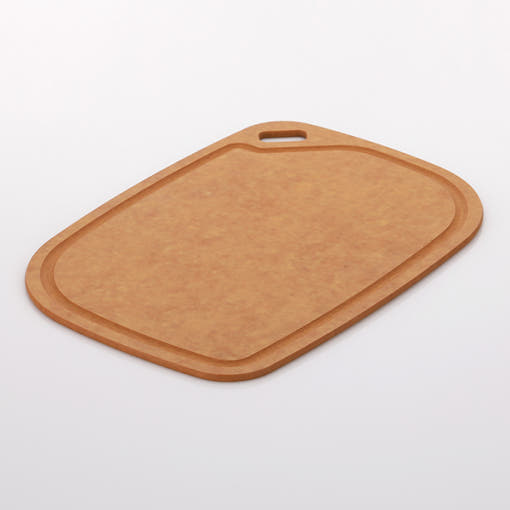
- Made from natural wood fiber material, environmentally friendly and healthy.
- Knife marks are not easily left, and the surface is durable and cut-resistant.
- Has natural antibacterial properties, suitable for daily use.
- Lightweight, easy to carry and clean.
Korea Locknlock Double-Sided Antibacterial Cutting Board (Three Sizes)

- Double-sided design: antibacterial side and bamboo side, preventing cross-contamination.
- Anti-slip base design enhances safety during use.
- Patented antibacterial protection technology effectively inhibits bacteria, mold, and odor.
- Three sizes available to suit various needs.
Conclusion: Cutting boards must be separated for safer cooking!
The correct use of cutting boards is crucial for your family's food safety. Separating raw and cooked foods can effectively prevent bacterial cross-contamination and reduce the risk of food poisoning. Choosing the appropriate cutting board material, such as a wood fiber cutting board for cooked food and a PP cutting board for raw food, not only enhances the cooking experience but also makes cleaning easier. If you haven't been separating your cutting boards, now is the time to make a change and make your kitchen safer and more hygienic!
