


A chopping board is one of the indispensable tools in the kitchen. Whether it's for cutting meat, chopping vegetables, or dicing ingredients, you can't do without it. However, many people overlook the cleaning and replacement of chopping boards, which can lead to bacterial growth and affect food safety and health. This article will delve into the frequency of chopping board replacement and introduce how to choose high-quality products like Neoflam to extend the lifespan of your chopping board.
The Necessity of Replacing Your Chopping Board
- Knife Marks and Bacterial Growth: After long-term use, the surface of a chopping board will develop numerous knife marks. These cracks easily accumulate dirt and become a breeding ground for bacteria.
- Odor Residue: Food juices can seep into the cracks of the chopping board, and over time, may produce odors, affecting the cooking experience.
- Material Aging: Some chopping board materials age with use; for example, wooden chopping boards may develop cracks, while plastic chopping boards may release harmful substances due to degradation.
How Often Should a Chopping Board Be Replaced?
- Depends on Usage Frequency: If used daily, it is recommended to replace it every 6 to 12 months, especially for plastic and bamboo chopping boards. If used less frequently, it can be extended to 1 year or longer, but the surface of the chopping board should be regularly checked for obvious wear or abnormalities.
-
Judged by Material:
- Wooden Chopping Boards: Proper maintenance can extend their lifespan, but if deep knife marks or cracks appear, they should be replaced immediately.
- Plastic Chopping Boards: When the surface has too many knife marks or discoloration, replacement is recommended.
- Neoflam Chopping Boards: Known for durability and antibacterial properties, their high-density design effectively extends their lifespan. However, if edge wear is noticed, they still need to be replaced in a timely manner.
How to Extend the Lifespan of Your Chopping Board?
- Categorize Usage: It is recommended to use separate chopping boards for raw and cooked foods to avoid cross-contamination.
- Correct Cleaning: Wash the chopping board with a neutral detergent and hot water, then dry thoroughly. Wooden chopping boards can be regularly treated with food-grade oil to prevent cracking.
- Choose Quality Brands: Opt for antibacterial chopping boards like Neoflam, which feature a high-density surface to reduce knife mark accumulation and extend lifespan.
Advantages of Neoflam Chopping Boards
Neoflam chopping boards are renowned for their innovative design and high-quality materials, featuring the following characteristics:
- Double-sided design: Suitable for handling different ingredients, avoiding cross-contamination.
- High-density antibacterial surface: Effectively prevents bacterial growth, ensuring food safety.
- Durable material: Not easily deformed, not easily absorbent, suitable for various cooking scenarios.

NEOFLAM Stainless Steel Antibacterial Chopping Board (Medium)
Made of SUS304 stainless steel, it is sturdy, durable, and mildew-proof and antibacterial. The double-sided design effectively distinguishes ingredients, with a drainage groove and non-slip edges for a safer and more efficient kitchen experience.
Neoflam Wood Fiber Seaweed Chopping Board (Large)
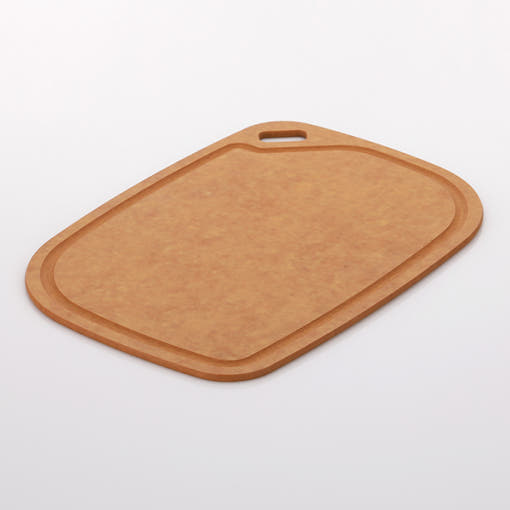
- Made from natural wood fiber material, it is environmentally friendly and healthy.
- Knife marks are not easily left, and the surface is durable and cut-resistant.
- Has natural antibacterial properties, suitable for daily use.
- Lightweight and easy to carry and clean.
Conclusion
The frequency of chopping board replacement depends on usage and material characteristics, but regardless, maintaining a clean chopping board and replacing it in a timely manner is crucial for health. Choosing a high-quality chopping board like Neoflam not only enhances the cooking experience but also better safeguards your family's food safety.
Frequently Asked Questions (FAQs)
- How often should a chopping board be replaced? Depending on usage frequency and material, it is generally recommended to replace it every 6 to 12 months.
- How to clean a chopping board to prevent bacterial growth? Wash with hot water and a neutral detergent, then dry thoroughly. Wooden chopping boards can be regularly treated with food-grade oil for maintenance.
- What are the features of Neoflam chopping boards? Neoflam chopping boards have an antibacterial surface and durable design, effectively extending their lifespan.
- Are wooden chopping boards better than plastic chopping boards? Wooden chopping boards are gentler on knives but require more maintenance; plastic chopping boards are easier to clean but have a shorter lifespan.
- How to avoid odors on chopping boards? After handling strongly scented ingredients, it is recommended to clean with lemon and coarse salt to remove odors.
