


Introduction and Comparison of Common Chopping Board Materials
Chopping boards are indispensable tools in every kitchen, essential for chopping vegetables, cutting meat, and other food preparation tasks. However, different chopping board materials have their own advantages and disadvantages in terms of user experience, durability, and hygiene. Understanding the characteristics of chopping board materials can help you choose the best one for your cooking needs.
Wooden Chopping Boards
Wooden chopping boards are one of the most classic choices in the kitchen, widely praised for their natural antibacterial properties and knife-friendly surface. The characteristics of different types of wood suit various uses:
- Maple: Fine grain, moderate hardness, not prone to knife marks, suitable for daily use.
- Oak: High stability, suitable for cutting fruits, vegetables, or cooked food, but should avoid prolonged contact with water.
- Ginkgo: Known for its natural antibacterial properties, suitable for handling raw meat and other ingredients, but higher in price.
Bamboo Chopping Boards
Bamboo chopping boards are favored for their eco-friendliness and lightness. This material is suitable for cutting fruits or cooked food and is affordable. However, bamboo chopping boards are relatively hard, which may cause some wear and tear on knives, and they need to be kept dry to prevent mold.
Plastic Chopping Boards
Plastic chopping boards are a common choice for households due to their lightness, ease of cleaning, and variety of colors. They are particularly suitable for handling raw meat and other ingredients that can easily harbor bacteria, but knife marks can accumulate bacteria, so they need to be replaced regularly to maintain hygiene.
Glass Chopping Boards
Glass chopping boards are durable and easy to clean, but they can cause significant wear on knives. They are suitable for specific scenarios requiring high hygiene standards, such as preparing fish or other seafood.
How to Choose Chopping Board Material According to Your Needs
When choosing a chopping board, consider the following points:
- Type of Food: Raw meat is best handled on plastic chopping boards, while fruits, vegetables, and cooked food are more suitable for wooden or bamboo chopping boards.
- Cooking Frequency: Frequent users should choose durable wooden or bamboo chopping boards.
- Household Size and Usage: A versatile chopping board set can meet diverse needs.
Material Advantages of Neoflam Chopping Boards
Neoflam chopping boards stand out with their innovative design and diverse material options. Neoflam's wooden chopping boards combine high-density wood with an antibacterial surface, effectively reducing bacterial growth and minimizing knife marks. Their bamboo and plastic chopping boards balance environmental protection with durability, meeting various cooking needs. The double-sided design offers greater flexibility, suitable for processing multiple types of ingredients.
Neoflam Wood Fiber Seaweed Chopping Board (Large)
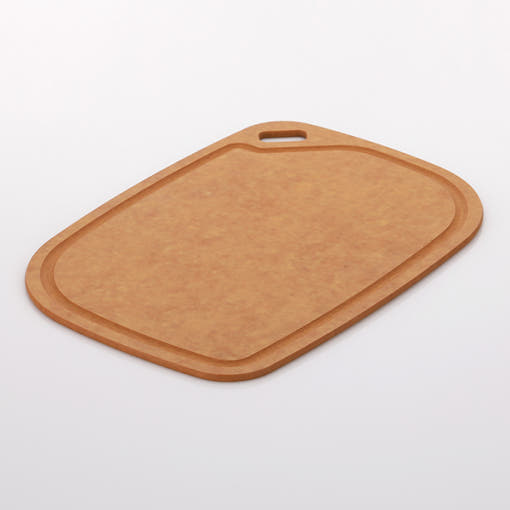
- Made from natural wood fiber, eco-friendly and healthy.
- Resistant to knife marks, durable and cut-resistant surface.
- Naturally antibacterial, suitable for daily use.
- Lightweight, easy to carry and clean.
Korean Locknlock Double-Sided Antibacterial Chopping Board (Three Sizes)

- Double-sided design: antibacterial side and bamboo side, preventing cross-contamination.
- Anti-slip base design for enhanced safety during use.
- Patented antibacterial protection technology effectively inhibits bacteria, mold, and odors.
- Available in three sizes to meet various usage needs.
Chopping Board Care and Longevity Tips
Proper chopping board maintenance can significantly extend its lifespan:
- Clean with warm water and mild detergent, avoiding abrasive cleaning tools like steel wool.
- Wooden chopping boards should be thoroughly dried after use and oiled monthly to prevent cracking.
- Plastic chopping boards should be replaced promptly when knife marks become excessive or discoloration occurs, to ensure hygiene.
User Experience and Recommendations
Many users highly praise Neoflam chopping boards for their high-density design and double-sided functionality. They believe that Neoflam chopping boards not only improve kitchen efficiency but also provide extra hygiene assurance. Whether handling raw meat or fruits and vegetables, Neoflam chopping boards are the preferred choice for health and efficiency.
Conclusion
Choosing the right chopping board material is crucial for health and cooking efficiency. Wooden chopping boards remain a classic choice due to their natural properties, while bamboo and plastic chopping boards each have their suitable applications. Neoflam chopping boards, with their innovative design and diverse material options, offer an ideal solution for modern kitchens. Through correct selection and maintenance, you can extend the lifespan of your chopping board and ensure food safety, leading to a healthier diet for your family.
